Beyond Seasonality: How Mixed-Use Assets Drive Year-Round Hotel Performance
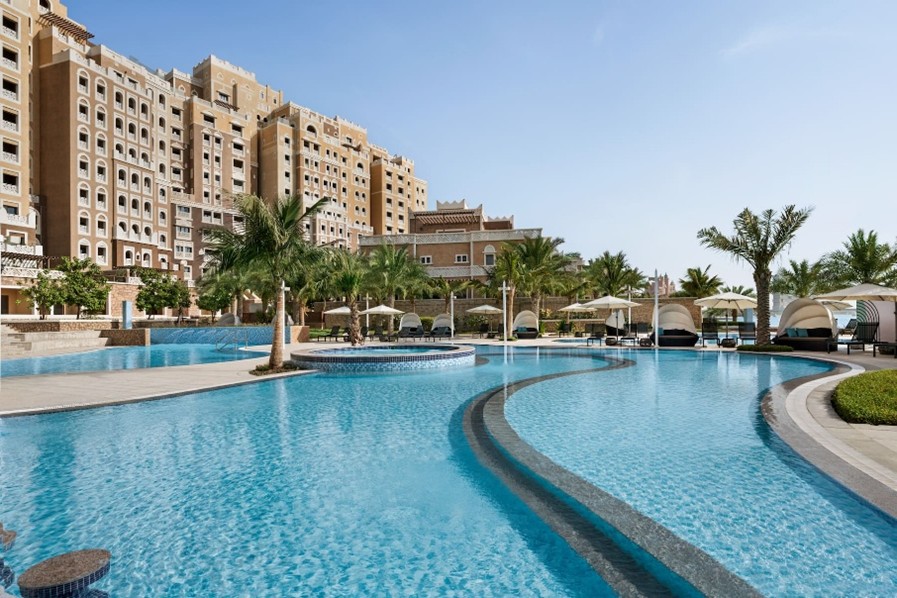
Wyndham Residences The Palm Jumeirah
For years, resorts have been seen as seasonal leisure real estate assets—thriving in peak months and slowing down in others. What if year-round vitality depends less on weather patterns and more on how the asset is structured and operated?
Leisure real estate is now evolving beyond standalone hospitality assets into mixed-use destinations that integrate wellness, co-working, and branded residences within a single ecosystem. The era of the “typical” traveler is over, as the same individual may prefer a sleek suite for a week-long holiday in summer, and later a serviced apartment for a month-long “workation” in March.
Meanwhile, guests increasingly seek milder climates and travel during shoulder seasons, when temperatures are more comfortable across Southern Europe. Already, 9% of European travellers have shifted their trips into shoulder seasons, while 15% plan to avoid destinations affected by extreme heat — a trend that could help ease both pricing and operational pressures during peak months. Combined with more flexible working patterns, these trends are flattening seasonality and supporting more consistent demand.
Today’s experience-led guests move between family holidays, solo escapes, digital nomad stays, wellness retreats, blended work-leisure trips, and more…
To respond to this dynamic, properties are investing in flexible infrastructure and amenities designed to sustain demand throughout the year. From golf courses, cycling routes, and tennis academies to spa facilities, beach clubs, family activity centers, and cultural experiences, these offerings help attract a wide range of travelers. High-spec MICE (Meetings, Incentives, Conferences, and Exhibitions) spaces also play a key role, positioning resorts as year-round hubs with steady corporate activity.
“Capital follows the consumer, and today’s traveler is more fluid than ever. At Wyndham, we already see stronger year-round occupancy in popular Mediterranean cities such as Spain, Greece and Portugal,” said Eva Chan, Head of Strategic Development and Growth EMEA, Wyndham Hotels & Resorts.
“Industry data reflects this shift,” she added. In Athens, hotel occupancy rose 5.3% and ADR increased 5.4% during the winter months last year. Spain’s key leisure markets also experience de-seasonalisation, with high occupancy levels across almost the entire year.
On the West Crescent of The Palm Jumeirah in Dubai, for example, the model blends high-end stays with everyday living. By mixing resort perks with apartment-style layouts, Wyndham Residences hits a sweet spot for guests who want five-star luxury without giving up the functional comforts of home.

Wyndham Grand Algarve
In the Mediterranean, Wyndham Grand Algarve, Portugal leverages its world-class golf, professional football training grounds, and scenic trails ideal for both running and cycling. Combined with multifunctional event spaces, this property remains a premium destination throughout the autumn and spring, proving that experience travel has no off-season.
Looking ahead, Ramada Encore & Ramada Residences Berlin (set for 2028) brings a clever dual-brand strategy to the city. By putting two different types of stays under one roof, the project captures everyone—from the quick-trip business traveler to someone looking for a home base in the German capital.
One of the most exciting developments is Wyndham Grand Batumi Gonio in Georgia, which opens its doors next year. As the country’s first all-inclusive resort, it builds full medical and wellness centers right into the core of the project. This turns the property into a year-round destination for health and relaxation.
By embracing mixed-use development and adapting to the evolving needs of travelers, Wyndham Resorts & Hotels in EMEA isn’t just keeping the doors open – they stay relevant 365 days a year!